
Anxiety can feel like a storm cloud that follows you everywhere, turning small worries into exhausting mental battles. Many people struggle with restless thoughts, tension, and emotional overwhelm without knowing how to regain control. Learning how to deal with anxiety naturally can help you calm your mind, relax your body, and improve your daily life without relying only on temporary fixes.
Thank you for reading this post, don't forget to subscribe!Simple habits such as mindfulness, healthy sleep, exercise, and breathing techniques can support long-term healing. This guide explores practical and effective ways to reduce stress, manage fear, and strengthen emotional balance naturally. By understanding your triggers and practicing healthy coping methods, you can improve anxiety relief, reduce racing thoughts, support emotional well-being, ease muscle tension, and build healthier coping with anxiety skills. Many people are now looking for sustainable ways to deal with anxiety naturally to avoid long-term dependency on medication
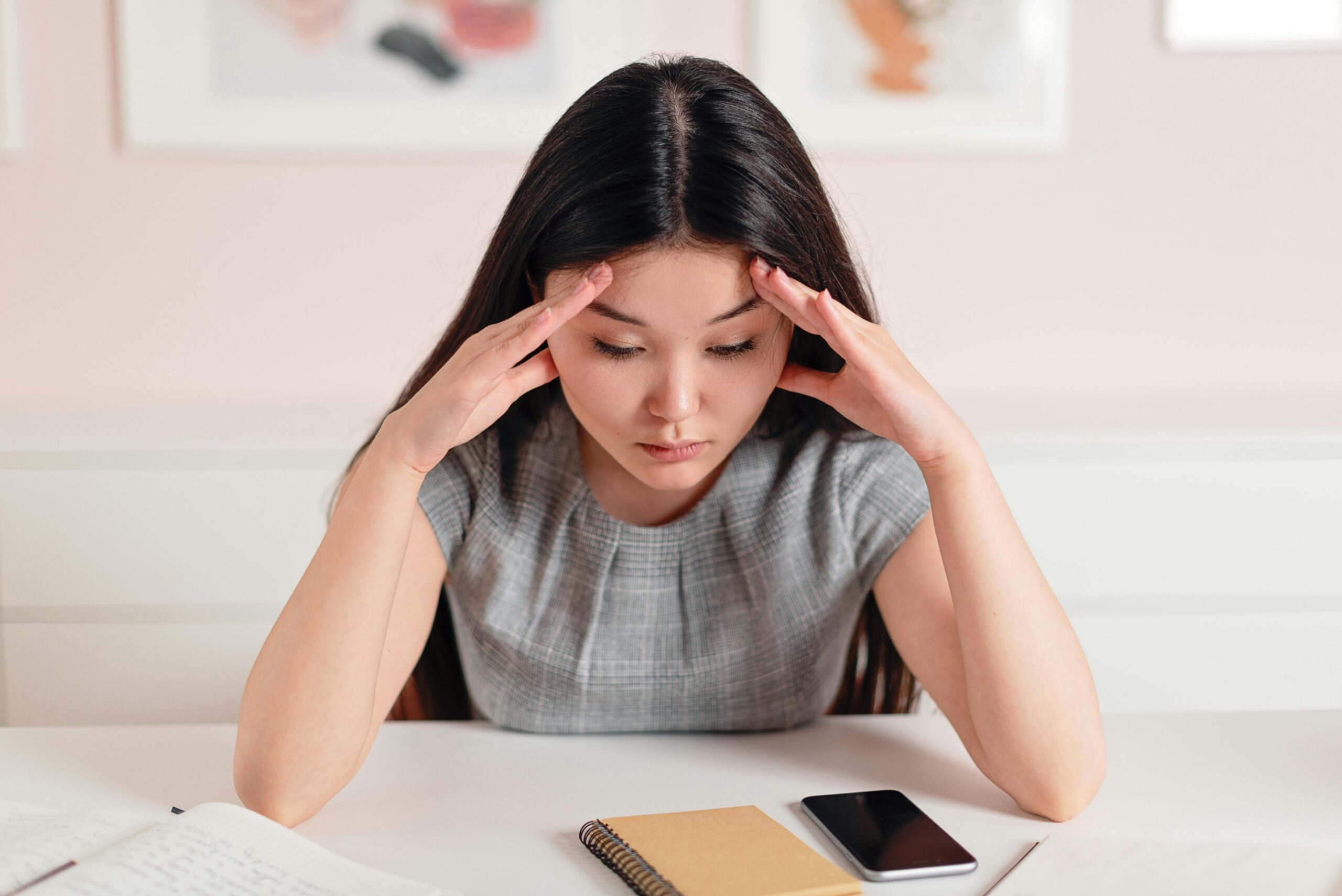
| Anxiety Factor | Common Effect on the Body |
| Poor sleep | Fatigue and irritability |
| Overthinking | Racing thoughts |
| High stress | Muscle tension |
| Isolation | Emotional exhaustion |
| Excess caffeine | Nervous feelings |
Understanding How to Deal With Anxiety Naturally
Anxiety acts like an alarm system inside your brain. Sometimes that alarm protects you during dangerous situations. However, anxiety may continue ringing even when no real threat exists. This reaction activates the fight or flight response and releases stress hormones like cortisol and adrenaline. These chemicals increase heart rate, tighten muscles, and create fearful thoughts.
Many people ask why am I anxious without realizing anxiety often develops from several factors together. The causes of anxiety may include trauma, stress at work, loneliness, poor sleep, or major life changes. Some people experience generalized anxiety that causes constant worry throughout the day. Others struggle with social anxiety during conversations or crowded places.
Anxiety also affects thinking patterns. Your mind may start imagining worst-case scenarios repeatedly. This habit increases negative thought patterns and emotional exhaustion. Over time, fear grows stronger and daily situations feel overwhelming. Understanding how anxiety affects the body helps you respond calmly instead of panicking during stressful moments.
Common Anxiety Triggers Table
| Trigger | Example |
| Financial pressure | Bills and debt |
| Social situations | Public speaking |
| Health fears | Constant symptom checking |
| Uncertainty | Fear of the future |
| Work stress | Deadlines and pressure |
Common Signs and Symptoms of Anxiety
Anxiety rarely stays hidden quietly. It often shows itself through emotional and physical reactions. Many people experience anxiety symptoms such as dizziness, nausea, sweating, shaking, or chest tightness. Others struggle with constant worry and emotional overload. These reactions are common signs of mental health and anxiety issues.
Emotional changes may appear slowly. For example, you might avoid social events, lose patience quickly, or feel emotionally drained. These panic and anxiety symptoms can affect relationships, confidence, and work performance. Persistent fear may also create sleep problems and anxiety, making it difficult to relax at night.
Your body often sends warning signs before anxiety becomes severe. Tight shoulders, headaches, jaw clenching, and stomach discomfort are examples of physical signs of anxiety. Learning to recognize these clues early improves coping with anxiety and helps prevent emotional burnout later.
“Anxiety is like a rocking chair. It gives you something to do but gets you nowhere.”Recognizing these physical symptoms early is the first step for anyone trying to deal with anxiety naturally.
Identify Your Anxiety Triggers
Understanding your triggers feels like turning on a flashlight inside a dark room. Certain situations quietly activate fear and emotional discomfort. Common anxiety triggers include conflict, uncertainty, crowded places, or financial pressure. Recognizing these patterns helps you gain more control over emotional reactions.
Some triggers hide beneath daily habits. Excess caffeine, doom-scrolling on social media, and poor sleep often increase nervous feelings and emotional stress. Many people also experience social anxiety triggers during conversations, presentations, or unfamiliar gatherings. Small stressors may build gradually until anxiety suddenly explodes.
Keeping a journal can help with understanding anxiety triggers more clearly. Write down situations, emotions, and physical sensations during stressful moments. Over time, patterns become easier to recognize. This awareness improves anxiety management techniques and supports long-term emotional healing.
| Hidden Trigger | Possible Reaction |
| Lack of sleep | Irritability |
| Too much caffeine | Racing heart |
| Social comparison | Low confidence |
| News overload | Fear and worry |
| Isolation | Emotional sadness |
Best Grounding Techniques to Calm Anxiety Fast
Grounding techniques pull your mind away from fear and back into the present moment. When anxious thoughts spiral, your brain starts living in imaginary disasters. Simple grounding techniques interrupt this cycle quickly. They help with emotional regulation and improve mental clarity during stressful moments.
One effective method involves focusing on your senses. Notice five things you see, four things you touch, three sounds you hear, two scents you smell, and one thing you taste. These grounding exercises for anxiety calm your nervous system and reduce emotional intensity naturally.
Physical movement also works well during anxiety spikes. Walking outside, stretching gently, or touching cold water can provide quick anxiety relief. These small actions help with calming the nervous system and slowing down overwhelming thoughts before panic grows stronger. Using your senses to stay present is a powerful tool to deal with anxiety naturally during a sudden panic attack.

Fast Grounding Methods
| Technique | Benefit |
| Deep sensory focus | Reduces panic |
| Walking outdoors | Clears thoughts |
| Cold water splash | Interrupts fear |
| Slow stretching | Relieves tension |
| Nature observation | Improves calmness |
Breathing Exercises and Relaxation Techniques for Anxiety
Breathing patterns change dramatically during stress. Many people breathe quickly and shallowly without noticing. This habit increases fear and physical discomfort. Practicing breathing exercises supports emotional stress relief and helps regulate the nervous system naturally.
Simple breathing techniques for anxiety can calm the body within minutes. Try inhaling slowly for four seconds then exhaling for six seconds. Longer exhales activate relaxation responses inside the body. These methods improve how to control breathing during anxiety and reduce emotional overload.
Relaxation practices also strengthen emotional stability. Gentle yoga, stretching, and meditation practice improve focus and reduce muscle tension. Many experts recommend mindfulness exercises and meditation for stress relief because they help people stay connected to the present moment instead of fearful future scenarios.
4−6 breathing pattern: Inhale for 4 seconds, exhale for 6 seconds4-6\text{ breathing pattern: Inhale for }4\text{ seconds, exhale for }6\text{ seconds}4−6 breathing pattern: Inhale for 4 seconds, exhale for 6 seconds .Consistent breathing practice is essential if you want to deal with anxiety naturally and keep your heart rate steady
How to Stop Negative and Anxious Thoughts
Negative thoughts behave like weeds inside a garden. Ignore them long enough and they spread everywhere. Many people struggle with racing thoughts and constant fear during stressful situations. Learning how to stop anxious thoughts helps restore emotional balance and mental clarity.
One powerful strategy involves reframing negative thoughts. Instead of believing every fearful prediction, pause and question it calmly. Ask yourself whether the fear reflects reality or emotional exaggeration. This process weakens harmful thinking habits and supports cognitive behavioral therapy methods used by mental health professionals.
Balanced thinking creates emotional strength over time. Fear often whispers dramatic stories that feel believable in stressful moments. However, practicing calm self-talk improves overcoming fear and reduces emotional exhaustion. Small mindset changes can slowly transform how you react to uncertainty and stress. Cognitive reframing helps you deal with anxiety naturally by changing how your brain perceives daily threats.
| Negative Thought | Healthier Response |
| “Everything will fail.” | “I can handle challenges.” |
| “People will judge me.” | “Most people focus on themselves.” |
| “I cannot cope.” | “I survived hard days before.” |
Healthy Lifestyle Habits That Reduce Anxiety
Your daily routine influences emotional health more than you realize. Poor sleep, unhealthy eating, and constant stress can worsen anxiety significantly. Building healthy habits supports emotional well-being and strengthens your ability to manage difficult emotions naturally.
Exercise remains one of the best stress relief activities for mental health. Walking, cycling, dancing, or swimming releases chemicals that improve mood and reduce tension. Regular movement also supports healthy coping mechanisms and improves long-term anxiety recovery.
Nutrition matters too. Highly processed foods, excess sugar, and energy drinks may increase anxiety symptoms. Meanwhile, hydration, balanced meals, and proper sleep improve emotional resilience. These simple self-care habits play a major role in how to manage stress and anxiety effectively. A clean diet and regular exercise make it much easier to deal with anxiety naturally over time.
Healthy Habits for Anxiety Relief
| Healthy Habit | Emotional Benefit |
| Daily exercise | Better mood |
| Quality sleep | Reduced irritability |
| Healthy meals | Stable energy |
| Hydration | Mental clarity |
| Outdoor time | Lower stress |
How to Manage Worry and Overthinking
Overthinking feels like a hamster wheel that never stops spinning. Your mind jumps from one fearful possibility to another endlessly. Learning how to reduce overthinking can improve emotional balance and reduce mental exhaustion significantly.
Many people benefit from scheduling “worry time” each day. Instead of worrying constantly, set aside fifteen minutes to process concerns calmly. This method helps with dealing with uncertainty and reduces obsessive thinking patterns. Outside that time, gently redirect your focus toward present activities.
Problem-solving strategies also reduce anxiety effectively. Break stressful situations into smaller steps instead of viewing them as giant disasters. This approach improves stress management and supports healthier emotional reactions during difficult moments.
“You cannot calm the storm completely. You can only learn to sail through it wisely.” By setting a specific ‘worry time,’ you learn to deal with anxiety naturally without letting it ruin your entire day.
Social Support and Professional Help for Anxiety
Human connection acts like medicine during emotional struggles. Talking openly with trusted people reduces isolation and emotional pressure. Supportive conversations improve mental health support and strengthen emotional resilience during difficult periods.
Sometimes anxiety becomes too overwhelming to manage alone. Professional therapy for anxiety can provide structured tools and healthier coping strategies. Therapists often use anxiety treatment methods such as cognitive behavioral therapy to challenge harmful thoughts and improve emotional balance.
Knowing when to seek help for anxiety is important. If fear disrupts sleep, work, relationships, or daily life consistently, professional support may help greatly. Seeking help shows strength, not weakness. Emotional healing often begins with one honest conversation. Even while working with a therapist, you can continue to deal with anxiety naturally using these self-help tools.
| Therapy Type | Main Focus |
| CBT | Thought patterns |
| Mindfulness therapy | Present awareness |
| Talk therapy | Emotional expression |
| Group support | Shared experiences |
Final Tips to Deal With Anxiety Naturally
Healing from anxiety takes patience, consistency, and self-awareness. Some days feel calm while others feel emotionally heavy. However, practicing small habits daily creates long-term emotional progress. Natural methods improve self-help for anxiety and strengthen emotional resilience over time.
Focus on progress instead of perfection. Regular exercise, proper rest, balanced thinking, and emotional connection all support healthier living. These best anxiety relief tips help improve emotional stability gradually. With steady effort, learning how to overcome anxiety becomes possible even during stressful seasons of life.
Remember that emotional healing rarely happens overnight. Tiny improvements matter deeply. Each healthy choice strengthens your ability to manage fear, uncertainty, and stress more calmly every day.
Conclusion: Starting Your Healing Journey
Healing from anxiety is not a sprint; it is a journey that requires patience and the right tools. By making small changes to your lifestyle and practicing mindfulness, you can effectively deal with anxiety naturally and regain control over your emotions. Remember that every small step counts toward a calmer, more balanced life.
For more wellness guides and tips to improve your daily routine, feel free to explore our latest articles on the ApexVylor Home Page.
FAQS:
How to stop being anxious?
Practice deep breathing, stay active, improve sleep, and challenge negative thoughts. Small daily habits can calm your mind naturally over time.
What is the 3-3-3 rule of anxiety?
The 3-3-3 rule helps ground you during anxiety. Name 3 things you see, 3 sounds you hear, and move 3 parts of your body.
What are 5 warning signs of anxiety?
Common signs include racing thoughts, muscle tension, restlessness, rapid heartbeat, and trouble sleeping or concentrating.
How to rewire your brain from anxiety?
You can rewire your brain through mindfulness, therapy, positive thinking, regular exercise, and healthy coping habits practiced consistently.
What is the #1 worst habit for anxiety?
Constant overthinking is one of the worst habits for anxiety because it keeps your brain trapped in fear and stress cycles.
Meta Description:
Learn how to deal with anxiety naturally using calming techniques, healthy habits, and stress relief strategies daily.

Welcome to the official author profile of Nail Malik. As a lead writer for Apex Vylor, I focus on delivering high-quality articles and deep dives into today’s most relevant topics. My goal is to provide readers with actionable insights and well-researched content that helps them stay ahead in an ever-changing world.