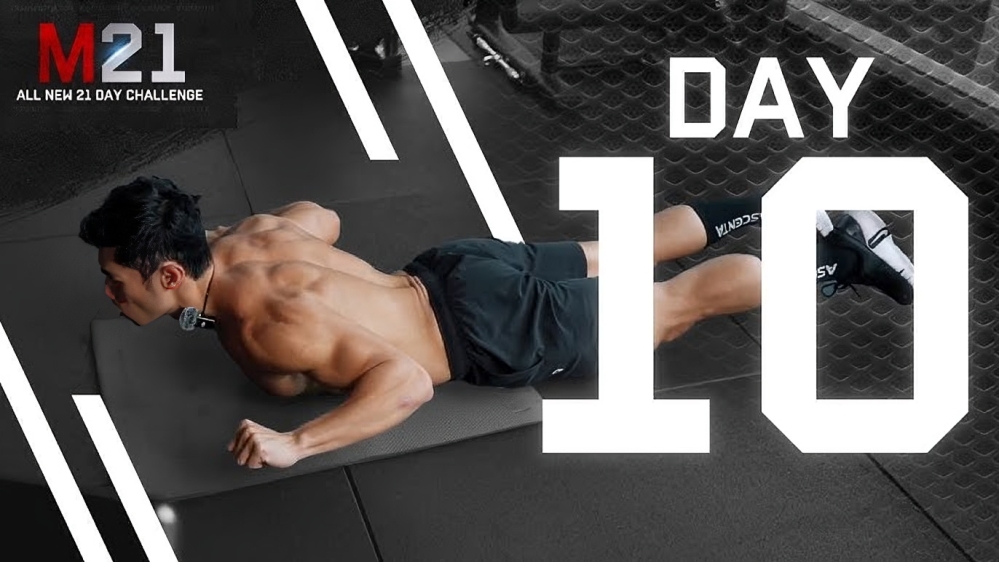
Many people want stronger abs without doing endless crunches or uncomfortable routines. That is why interest in the focus keyword, Forget Sit-Ups: How the Halfway Sit Exercise Builds a Strong and Stable Core Without Straining Your Lower Back, continues to grow. This simple movement focuses on control rather than speed and helps improve balance and posture.
Thank you for reading this post, don't forget to subscribe!The Halfway sit exercise is a smart Alternative to sit-ups that relies on steady tension to strengthen your midsection. As a Core stability exercise, it supports better body awareness and long-term fitness. Whether you are new to training or looking for a fresh challenge, this Low-impact core training method offers an effective Bodyweight core workout that fits easily into any schedule.
| Feature | Halfway Sit Exercise |
|---|---|
| Training Style | Isometric and controlled |
| Equipment Needed | None |
| Difficulty Level | Beginner Friendly |
| Main Goal | Core stability |
| Workout Type | Bodyweight |
What Is the Halfway Sit Exercise?
The Halfway sit exercise is a Seated core exercise that places your body in a slight V-position while keeping an Upright torso and a Braced stomach. Instead of moving up and down quickly, you create tension using Controlled movement. This Core stability exercise teaches the body to stay strong while remaining balanced. The position allows the abs and surrounding muscles to work together. Many trainers use this Bodyweight core workout because it builds endurance and improves body awareness.
Another reason this move stands out is its focus on Deep core activation. During the exercise, your Core activation improves while the Stabilizer muscles and Transverse abdominis work behind the scenes. Think of these muscles as the hidden foundation of a building. They support every movement you make. This Isometric core exercise helps develop better control and creates a stronger connection between your mind and muscles.
Understanding the Halfway Sit Position
The position begins in a comfortable Seated position with bent knees and feet placed firmly on the floor. Your Extended arms stay in front while your Chest lifted posture keeps the spine long. Good Body alignment allows the exercise to feel smooth and natural.
How the Halfway Sit Differs From Traditional Sit-Ups
Traditional Sit-ups rely on repeated movement. The Halfway sit focuses more on tension and stability. This Ab workout without sit-ups slows everything down. As a result, the exercise improves balance and control instead of depending on momentum.
Why This Isometric Core Exercise Is Effective
Every second spent holding the position strengthens the body through Isometric contraction. Slow Controlled repetitions improve endurance and increase muscle awareness. This style of training supports Core control exercises and creates lasting strength through consistency.
Why Fitness Enthusiasts Are Switching to Halfway Sits
People enjoy this exercise because it combines strength with simplicity. The movement improves the Mind-muscle connection and fits easily into any Abdominal strengthening routine. It also works well for those searching for Beginner core exercises that deliver noticeable results without complicated techniques.
How to Do a Halfway Sit Correctly
Learning the Halfway sit exercise starts with patience. Sit comfortably with your feet flat and maintain a Neutral spine throughout the movement. Keep your Extended arms in front and focus on a steady Breathing technique. As you lean back slowly into a V-position, keep your Chest lifted and maintain proper Body alignment. This Core strength workout relies on precision rather than speed. Slow movements create better control and help your body stay balanced.
The secret behind this Dynamic core movement is consistency. Keep your Braced stomach tight and avoid using momentum. Controlled breathing helps your Core muscles work efficiently. Many people add this Bodyweight core workout to their daily routine because it improves coordination and supports long-term strength. Think of the movement like slowly lowering yourself into a chair. Smooth motion always wins over rushing.
| Beginner Guide | Recommendation |
|---|---|
| Repetitions | 8–12 |
| Sets | 2–3 |
| Rest Between Sets | 30–60 seconds |
| Weekly Frequency | 3–4 times |
Step-by-Step Instructions for Proper Form
Begin in a Seated position with bent knees. Keep your Upright torso tall and lean back slowly. Pause briefly and return with control. The Halfway sit rewards patience and proper form.
Breathing Techniques for Better Core Activation
Good breathing supports Core activation. Inhale before leaning back and exhale while returning forward. A proper Breathing technique improves focus and encourages stronger muscle engagement.
Recommended Reps and Sets for Beginners
People new to Beginner core exercises should start with two sets of eight repetitions. Slow Controlled repetitions matter more than higher numbers. Quality always beats quantity.
Equipment You May Need for Added Comfort
Although no equipment is required, a yoga mat can make the experience more comfortable. This Home core workout routine remains simple and practical for most people.
Why Traditional Sit-Ups Aren’t for Everyone
Classic Sit-ups have been around for decades. However, not everyone enjoys repetitive movements. Many people prefer a smarter Alternative to sit-ups that focuses on quality. The Halfway sit exercise develops strength through Isometric contraction and encourages better control. Instead of rushing through repetitions, you spend time improving stability. This approach creates a more focused workout experience.
Modern fitness emphasizes efficiency. That is why Low-impact core training continues to gain attention. Slow exercises improve awareness and increase endurance. The Halfway sit exercise also strengthens the body without turning every workout into a race. Think of it like building a house brick by brick. Strong foundations always matter.
Common Problems With Conventional Sit-Ups
Fast repetitions often shift attention away from proper form. Traditional Sit-ups sometimes encourage momentum instead of true muscle engagement. Controlled exercises create better habits.
How Momentum Reduces Core Engagement
Speed can become a shortcut. However, shortcuts rarely build strength. Slow Controlled movement keeps the Core muscles active from beginning to end.
Why Slow Core Exercises Offer Better Control
Slow exercises encourage Deep core activation and improve the Mind-muscle connection. This process teaches your body to move with purpose rather than force.
Comparing Dynamic and Isometric Core Training
Dynamic exercises involve constant motion. In contrast, Isometric core exercise methods challenge stability through tension. Both have benefits, yet many people enjoy the added control provided by the Halfway sit.
Benefits of the Halfway Sit Exercise
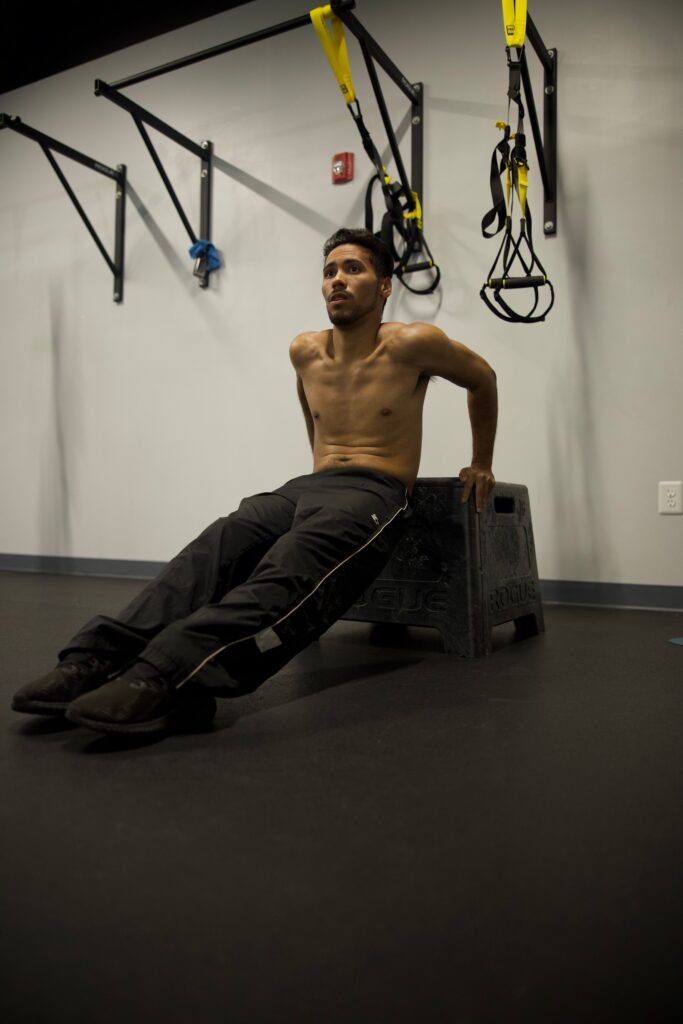
The Halfway sit exercise offers more than stronger abs. This Core stability exercise teaches your body to work as one unit. Slow holds improve Core stability and encourage better posture during daily activities. Because the exercise depends on Controlled movement, your muscles stay active longer. This creates better endurance and supports long-term fitness goals. Many people enjoy this Ab workout without sit-ups because it feels simple yet effective.
Another major advantage is the improved Mind-muscle connection. Staying in a V-position challenges the body to remain balanced while the Stabilizer muscles and Transverse abdominis continue working beneath the surface. This Core endurance training develops strength that supports walking, running, and lifting. Think of your core as the trunk of a tree. A stronger trunk helps every branch stay stable. That is why the Halfway sit exercise remains one of the most effective Stability-focused exercises.
| Key Benefits | Why It Matters |
|---|---|
| Better Core Stability | Improves balance |
| Increased Endurance | Supports longer workouts |
| Improved Posture | Helps daily movement |
| Stronger Deep Muscles | Enhances control |
| Beginner Friendly | Easy to learn |
Builds Strong Core Stability
Strong Core muscles provide support for almost every movement. The Halfway sit teaches your body to stay balanced and improves overall Core activation.
Improves Balance and Posture
Maintaining a Chest lifted position encourages better posture. This Core strength workout also helps develop body awareness and coordination.
Enhances Mind-Muscle Connection
Slow movements improve the Mind-muscle connection. Focusing on each repetition makes every second count and increases training quality.
Supports Functional Strength for Daily Activities
Simple tasks become easier when your core works efficiently. This Abdominal strengthening routine helps create stability for everyday movements.
Suitable for Home Workouts and Busy Schedules
The exercise needs no equipment. That makes it ideal for a Home core workout routine and busy lifestyles.
Muscles Worked During a Halfway Sit
The Halfway sit exercise activates several important muscles at the same time. The front abdominal area handles much of the work while the deeper Core muscles provide stability. The Transverse abdominis acts like a natural support belt. During the movement, the Lower abs stay active while the body maintains proper Body alignment. This combination creates balanced strength instead of relying on one muscle group.
The movement also challenges the Stabilizer muscles, which often remain overlooked during fast exercises. Keeping an Upright torso and a Braced stomach requires teamwork between several muscles. The result is improved balance and greater control. This Bodyweight core workout helps build strength from the inside out. Like the roots beneath a tree, deeper muscles provide hidden support that keeps everything steady.
| Muscle Group | Function |
|---|---|
| Rectus Abdominis | Main abdominal movement |
| Obliques | Rotation and balance |
| Transverse Abdominis | Deep support |
| Hip Flexors | Assist leg movement |
| Stabilizer Muscles | Improve control |
Rectus Abdominis and Deep Core Muscles
These muscles work together during the Halfway sit. The surface muscles provide strength while deeper muscles support Core stability.
Obliques and Their Role in Stability
The obliques help maintain balance. They also assist with twisting and support efficient Controlled movement.
Hip Flexors and Supporting Muscles
Hip flexors assist during the exercise. However, the goal remains proper Core activation instead of relying entirely on the hips.
How Stabilizer Muscles Improve Overall Strength
Strong Stabilizer muscles help maintain posture and coordination. They create a solid foundation for every movement and contribute to better performance during other workouts.
Common Mistakes to Avoid
Many people rush through the Halfway sit exercise and forget about form. Speed often becomes the enemy of quality. A rounded back, poor Body alignment, and relaxed Core muscles reduce the benefits. Maintaining a Neutral spine and a Braced stomach helps every repetition feel smooth. Slow Controlled repetitions produce better results than trying to do more reps quickly. Good technique turns this exercise into one of the most effective Core control exercises.
Another mistake involves holding your breath or relying too much on the hips. Proper Breathing technique keeps your body relaxed and improves Core activation. Some people also allow their feet to lift from the floor, which reduces stability. Think of the movement like steering a car. Small corrections keep everything moving in the right direction. Consistency and control always matter more than speed.
Using Momentum Instead of Control
Momentum steals tension away from the Core muscles. Slow Controlled movement allows the body to work harder and improves overall performance.
Rounding the Back During the Movement
A rounded back affects posture and balance. Keeping an Upright torso helps maintain proper form throughout the exercise.
Holding Your Breath While Exercising
Steady breathing improves focus and supports Core stability. Proper breathing also increases endurance during longer sets.
Who Should Try the Halfway Sit Exercise?
The Halfway sit exercise works well for people at different fitness levels. Beginners appreciate the simplicity while experienced athletes enjoy the challenge created by longer holds. This Low-impact core training fits perfectly into many exercise programs. People searching for Beginner core exercises often choose this movement because it requires little space and no equipment. The exercise also suits anyone looking for an effective Alternative to sit-ups.
Busy people benefit from its flexibility. The movement can fit into a morning routine or a short evening workout. Fitness enthusiasts often include it in a Home core workout routine because it develops strength without complicated equipment. Simple exercises sometimes deliver the best results. The Halfway sit proves that point every day.
How to Add Halfway Sits to Your Workout Routine
Adding the Halfway sit exercise to your weekly schedule is simple. Start with two or three sets and focus on quality. This Bodyweight core workout works well before or after cardio sessions. The movement also complements strength training because strong abs support the entire body. Regular practice improves Core endurance training and builds confidence over time.
Progression keeps the exercise interesting. Advanced users often hold the position longer or challenge themselves with a Tabletop position. Small improvements add up. Like saving money in a bank account, every repetition contributes to long-term results. Consistency remains the secret ingredient behind every successful fitness journey.
Best Exercises to Pair With Halfway Sits
The Halfway sit exercise works even better when combined with other Stability-focused exercises. Planks, bird dogs, glute bridges, and dead bugs complement the movement by strengthening surrounding muscles. Together they create a balanced Core strength workout that develops coordination and endurance. Combining exercises also prevents boredom and keeps training enjoyable.
These movements support Deep core activation and improve the Mind-muscle connection. They create variety while teaching your body to move efficiently. A strong core acts like the engine of a car. When the engine performs well, everything else runs smoothly.
| Exercise | Main Benefit |
|---|---|
| Plank | Endurance |
| Bird Dog | Stability |
| Glute Bridge | Hip Strength |
| Dead Bug | Coordination |
| Side Plank | Oblique Strength |
Halfway Sit vs Traditional Sit-Up: Which Is Better?
Both exercises have value, yet the Halfway sit exercise focuses more on control and stability. Traditional Sit-ups depend on repeated motion while the Halfway sit emphasizes Isometric contraction. This difference creates a slower experience that improves awareness and strengthens deeper muscles. People who enjoy precise movement often prefer this style of training.
Choosing between them depends on personal goals. Those looking for Core stability exercise benefits usually appreciate the slower pace. Meanwhile, others may enjoy traditional repetitions. Fitness is not one size fits all. Finding the right exercise matters more than following trends.
| Feature | Halfway Sit | Sit-Ups |
|---|---|---|
| Speed | Slow | Fast |
| Main Focus | Stability | Repetition |
| Difficulty | Beginner Friendly | Moderate |
| Style | Isometric | Dynamic |
| Equipment | None | None |
Frequently Asked Questions
What Is the 6-6-6 Rule for Walking?
The 6-6-6 walking rule is a simple routine that involves walking at around 6 a.m. or 6 p.m. for 60 minutes with a 6-minute warm-up before starting and a 6-minute cool-down after finishing. It helps create a consistent walking habit and supports overall fitness.
What Is the Meaning of Halfway Mark?
The halfway mark refers to the point where half of a task, journey, goal, or time period has been completed. It represents the middle stage between the beginning and the end. For example, reaching week six of a twelve-week fitness plan means you have reached the halfway mark.
What Exercises Help Lower A1C?
Regular physical activity can help lower A1C levels by improving how the body uses glucose. Effective exercises include brisk walking, cycling, swimming, resistance training, bodyweight exercises, and low-impact aerobic activities. Combining aerobic exercise with strength training often provides the best results.
Is Walking 30 Minutes a Day Considered Moderate Exercise?
Yes, walking for 30 minutes a day at a brisk pace is considered moderate exercise. Health experts generally recommend at least 150 minutes of moderate-intensity physical activity each week, and a daily 30-minute walk is an easy way to meet that goal.
How Far Should a 65-Year-Old Walk Every Day?
A healthy 65-year-old should aim for about 30 to 60 minutes of walking daily, which typically equals 1.5 to 3 miles depending on pace and fitness level. The ideal distance varies based on overall health, mobility, and activity level. Consistency is more important than speed or distance.
Conclusion
Strong abs are not built through speed alone. The Halfway sit exercise proves that simple movements can deliver powerful results. This Ab workout without sit-ups develops stability, endurance, and control while fitting easily into almost any routine. Whether you are new to fitness or searching for a fresh challenge, this movement offers an easy path toward better strength and improved confidence.
As the saying goes, slow and steady wins the race. Focus on good form, stay consistent, and enjoy the process. Over time, the Halfway sit exercise can become one of the most valuable tools in your fitness journey.
Meta Description :
Discover how the halfway sit exercise builds a strong, stable core without sit-ups using this simple low-impact workout.
Welcome to the official author profile of Nail Malik. As a lead writer for Apex Vylor, I focus on delivering high-quality articles and deep dives into today’s most relevant topics. My goal is to provide readers with actionable insights and well-researched content that helps them stay ahead in an ever-changing world.