
Understanding the direct link between exercise and longevity is essential for navigating modern life in the USA, which often traps people in long sitting hours that quietly harm health over time. Yet science shows a powerful truth that physical movement increases lifespan even in small amounts.
Thank you for reading this post, don't forget to subscribe!Even simple routines create small exercise benefits that improve energy, mood, and long-term survival. Studies show that just a few minutes of movement each day can support exercise for long life outcomes and reduce disease risk. This makes daily activity a silent medicine for modern lifestyles. When you understand how how small exercise improves health, you unlock a practical path toward stronger aging, better memory, and a healthier future.

The Science of Exercise and Longevity: Why Movement Extends Life
Exercise shapes human biology in powerful and quiet ways. Modern research proves that physical activity and longevity are tightly connected through heart function, brain performance, and cellular repair. When you move your body, blood flows faster and oxygen reaches every organ. This supports long-term health improvement and lowers disease risk across decades of life in the USA.
Scientists now understand that inactivity harms the body more than people expect. Long sitting hours slow metabolism and increase inflammation. This raises the risk of diabetes, heart disease, and early decline. However, even small movement breaks create strong small exercise benefits that protect the body from damage. This is why experts link movement directly with exercise for long life outcomes.
The Strength Training Sweet Spot for a Longer Life
Strength training works like a biological shield for aging muscles. Studies show that 90 to 120 minutes weekly of resistance work improves survival rates. This is the famous moderate intensity exercise zone that supports muscle, bone, and hormone health in American adults.
Muscle naturally declines after age 30. This condition is called sarcopenia. However, muscle strengthening activities slow this process and protect independence in later life. Strong muscles also support balance and reduce injury risk during daily movement.
Key Benefits of Strength Training
| Benefit Area | Impact on Body |
|---|---|
| Muscle strength | Improves mobility |
| Bone density | Reduces fractures |
| Metabolism | Burns more calories |
| Hormones | Improves energy balance |
Strength training also supports exercise and longevity by keeping people active, strong, and mobile as they age.” It is one of the strongest predictors of healthy aging in the USA.
How Little Exercise Can Still Make a Big Difference
Small movement changes can transform health faster than most people believe. Research shows that just five minutes of activity can reduce early death risk, providing strong evidence that the connection between exercise and longevity applies even to small daily movements.
The idea of exercise snacking benefits is growing in the United States. Short bursts of movement during the day improve heart health and metabolism. Even walking for a few minutes between tasks helps the body reset and recover.
Real-life examples of micro movement
- Walking during phone calls
- Taking stairs instead of elevators
- Standing every 30 minutes
- Light stretching after meals
These actions support reduce sedentary lifestyle habits and improve energy levels without needing a gym.
Best Types of Exercise for Health, Strength, and Longevity
The human body needs variety to stay healthy. A balanced routine includes strength, cardio, mobility, and balance training. This combination improves metabolic health and movement and supports full-body performance.
Experts recommend mixing activities such as walking for health, cycling, and resistance training. This prevents injury and improves long-term motivation.Variety also builds lasting fitness habits that maximize the connection between exercise and longevity.
Simple exercise categories
| Type | Example | Benefit |
|---|---|---|
| Cardio | Running, cycling | Heart health |
| Strength | Pushups, weights | Muscle growth |
| Mobility | Stretching | Flexibility |
| Balance | Yoga | Stability |
Each category plays a vital role in well-rounded exercise and longevity strategies.
Strength Training for All Ages: Building Muscle, Balance, and Independence
Strength training is not only for athletes. It is essential for older adults in the USA. It supports independence and reduces fall risk, highlighting why strength-focused exercise and longevity routines are essential across all age groups.
Even beginners can start with simple bodyweight exercises. These include squats, wall pushups, and light resistance work. These movements improve stability and daily function.
Simple beginner-friendly strength movements
| Exercise | Purpose |
|---|---|
| Squats | Leg strength |
| Pushups | Upper body power |
| Planks | Core stability |
| Chair stands | Mobility support |
These exercises help maintain reduce sitting time health benefits and improve confidence in movement.
Heart Health and Cardio Benefits: Why Your Heart Needs Exercise
When looking at exercise and longevity, the heart is central; it becomes significantly stronger when regularly challenged. Cardio exercise improves circulation and lowers blood pressure. This creates strong heart health exercise benefits that protect against cardiovascular disease.
Activities like walking, running, and cycling improve oxygen flow. These movements increase endurance and help the heart pump more efficiently. This supports strong cycling for fitness benefits and overall stamina.
Cardio improvements include
- Lower resting heart rate
- Better oxygen delivery
- Reduced cholesterol levels
- Improved energy levels
Cardio also supports prevent premature death by reducing risk factors linked to heart disease.
H2: How Much Exercise Do You Really Need? (Science-Based Guidelines)
Health organizations in the USA recommend at least 150 minutes of moderate activity per week. This is the baseline recommended for unlocking the full benefits of exercise and longevity alongside long-term protection.
However, research shows that even less activity still helps. This supports the idea behind how small exercise improves health and encourages gradual progress instead of perfection.
Weekly exercise guideline table
| Activity Level | Weekly Target |
|---|---|
| Moderate activity | 150 minutes |
| Vigorous activity | 75 minutes |
| Strength training | 2 days |
Functional Fitness and Everyday Movement: Training for Real Life
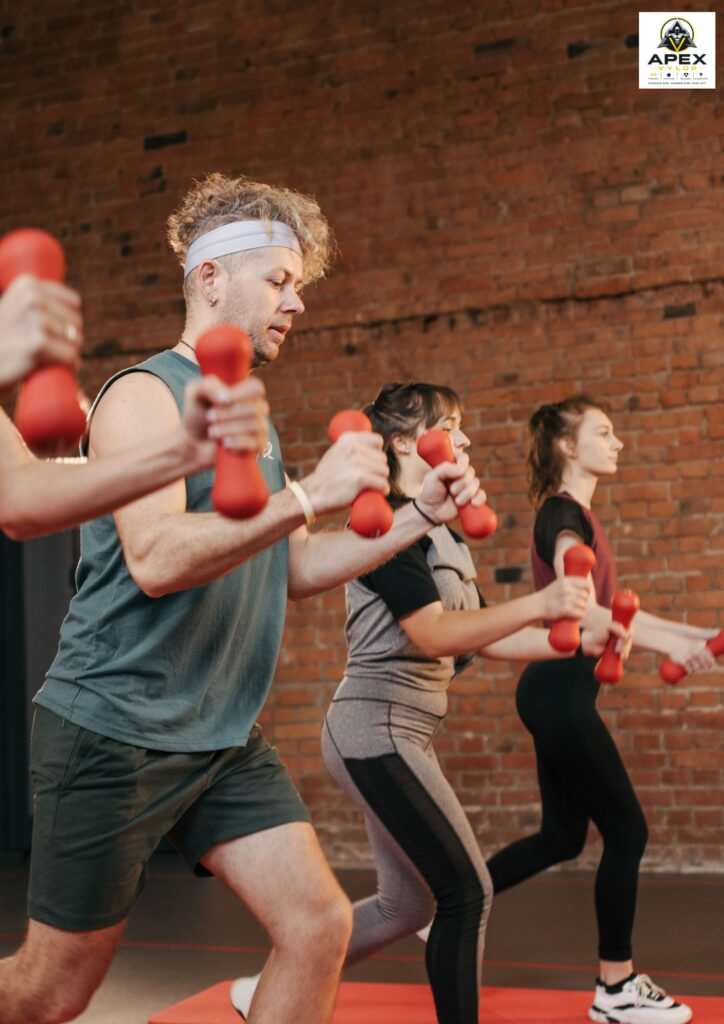
Functional fitness prepares the body for daily tasks. It includes movements like lifting, bending, and walking. This improves reduce sitting time health benefits and supports independence.
Daily actions become powerful exercise tools. Carrying groceries or cleaning the house can improve strength and endurance. This creates natural walking for health and movement integration.
Everyday functional examples
- Carrying shopping bags
- Climbing stairs
- Gardening work
- Cleaning floors
These actions support climbing stairs exercise benefits and improve real-life strength.
Exercise for Brain Health, Memory, and Mental Performance
Exercise does not only strengthen the body. It also improves brain function. Physical movement increases blood flow to the brain and supports brain health and exercise connections.
Regular activity improves memory, focus, and emotional balance. This supports stronger memory and physical activity relationships and better cognitive aging outcomes.
Brain benefits of movement
- Improved focus
- Better memory retention
- Reduced stress levels
- Enhanced learning ability
These effects answer questions like does walking improve memory and does physical activity improve brain function in a clear scientific way.
Challenges, Motivation & Staying Consistent with Exercise Habits
Many people in the USA struggle with consistency. Busy schedules and stress often block exercise routines. However, small habits help overcome these barriers and improve fitness habits for longevity.
Building consistency is more important than intensity. Even short daily actions create powerful benefits of movement throughout the day. The key is repetition, not perfection.
Simple habit-building strategies
- Walk after meals
- Stretch during breaks
- Use stairs daily
- Move every 30 minutes
These steps help people understand how to build exercise habits easily and support long-term success.
FAQs
What is the 3-3-3 rule for exercise?
The 3-3-3 rule for exercise is a simple beginner fitness guideline that suggests doing 3 types of movement, for 3 minutes each, repeated 3 times a day. It is designed to make exercise easy, reduce overwhelm, and build consistency. This method often includes light cardio, stretching, and strength movements to improve metabolic health and movement and support daily activity habits.
How far should a 70 year old woman walk each day?
A 70 year old woman should aim for about 4,000 to 7,000 steps per day, depending on fitness level and medical condition. This usually equals 20 to 40 minutes of walking for health at a comfortable pace. Even smaller amounts still provide benefits, especially for heart health exercise benefits, balance, and mobility. Consistency matters more than speed or distance.
What exercises help lower A1C?
Exercises that help lower A1C include moderate intensity exercise such as brisk walking, cycling, swimming, and resistance training. Strength workouts improve insulin sensitivity, while aerobic activity helps the body use glucose more efficiently. Combining both improves metabolic health and movement and supports long-term blood sugar control for people with diabetes or prediabetes.
When beginning an exercise program, it is best to ________.?
When beginning an exercise program, it is best to start slowly and gradually increase intensity over time. This approach helps prevent injury and builds sustainable habits. Beginners should focus on small exercise benefits, simple movements, and consistency rather than intensity. This method supports long-term adherence and better fitness habits for longevity.
Which exercise to do first?
The best exercise to do first is light warm-up or low-intensity cardio, such as walking or gentle cycling. This prepares the body by increasing blood flow and loosening muscles. Starting this way improves safety and performance in later workouts, especially strength training or muscle strengthening activities.
Final Insight
Ultimately, exercise and longevity go hand in hand. Staying active isn’t just about short-term fitness goals; it’s about survival, energy, and lifelong quality of life. Even small movement creates powerful exercise snacking benefits and supports healthier aging. The human body responds quickly to action, even in small doses. Over time, these small choices shape a longer and stronger life in the USA.
Meta Description
Discover how exercise & longevity are connected. Learn how strength training, cardio, and daily movement improve health, boost heart function, and help you live longer in simple science-backed ways.

Welcome to the official author profile of Nail Malik. As a lead writer for Apex Vylor, I focus on delivering high-quality articles and deep dives into today’s most relevant topics. My goal is to provide readers with actionable insights and well-researched content that helps them stay ahead in an ever-changing world.