
Knee pain is one of the most common joint problems that affects people of all ages and activity levels. It can develop suddenly after a knee injury or appear gradually due to daily wear and tear. Whether you experience mild discomfort while walking or ongoing chronic knee pain, understanding the underlying causes is essential for protecting long-term mobility. Factors such as physical activity, aging, excess weight, and poor movement patterns can all contribute to knee problems.
Thank you for reading this post, don't forget to subscribe!In addition, conditions that lead to joint stiffness, knee swelling, and knee instability may interfere with everyday tasks. Learning about symptoms, prevention strategies, and healthy habits can help support better knee function and overall joint health.
What Is Knee Pain?
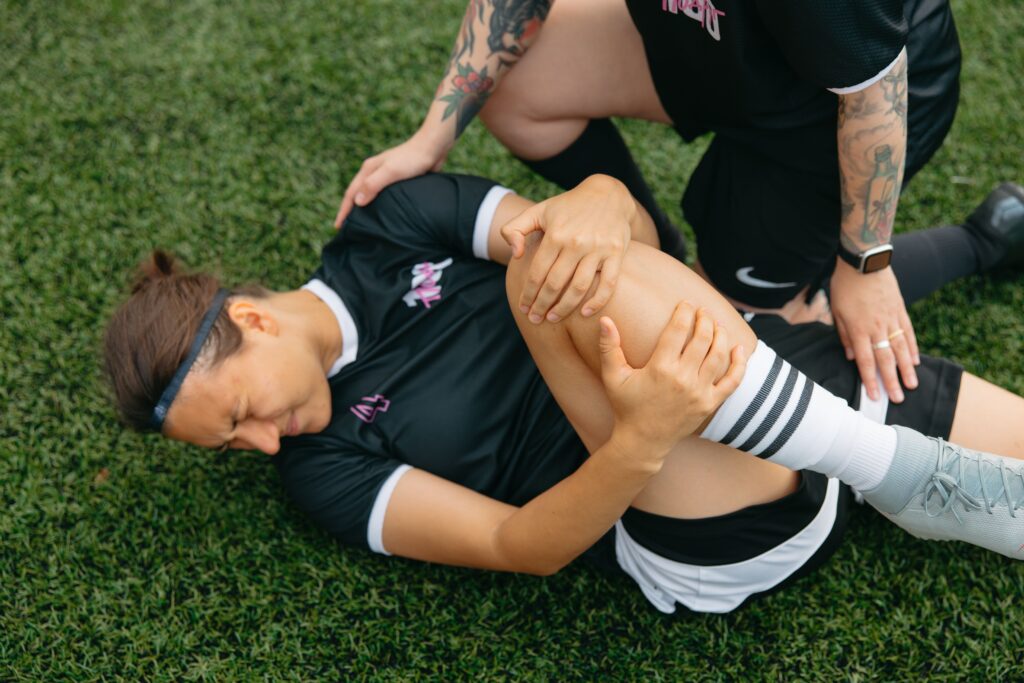
Knee pain refers to discomfort that occurs in or around the knee joint. It can range from a mild ache to severe pain that limits movement. Some people notice pain only during activity while others experience ongoing chronic knee pain throughout the day. The condition can affect people of all ages and fitness levels.
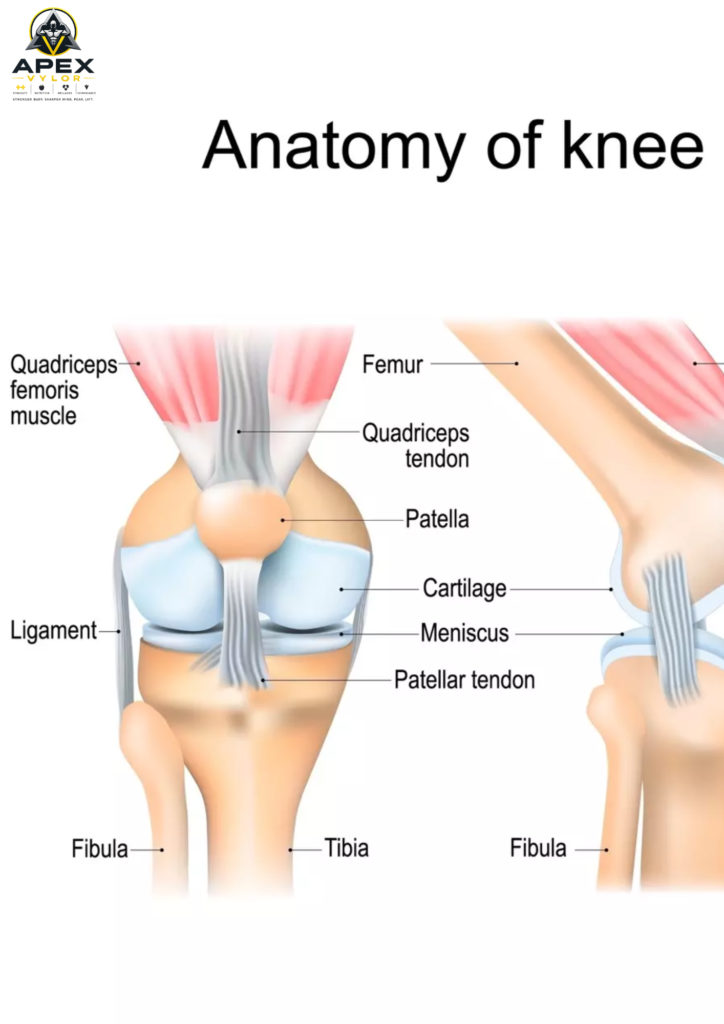
The knee is one of the largest joints in the body. It connects the thigh bone, shin bone, muscles, tendons, and ligaments. When any part of this system becomes irritated or damaged, knee discomfort, joint stiffness, and movement limitations may develop. Understanding how the knee works makes it easier to recognize early signs of trouble.
Common Symptoms of Knee Pain
The symptoms of knee pain can vary depending on the underlying cause. Many people experience soreness, tenderness, or discomfort during movement. Others notice knee pain when walking, difficulty climbing stairs, or reduced flexibility. Symptoms may begin gradually or appear suddenly after physical activity.
A person may also develop a swollen knee, knee swelling, redness, or weakness in the knee. Some individuals hear clicking or popping sounds during movement. Others experience stiffness in the knee joint after sitting for long periods. These signs can make everyday tasks more difficult and may affect overall mobility.
| Common Symptom | Possible Effect |
|---|---|
| Pain while walking | Reduced mobility |
| Swelling | Joint discomfort |
| Stiffness | Limited movement |
| Instability | Increased fall risk |
| Popping sounds | Joint irritation |
Main Causes of Knee Pain
The causes of knee pain are diverse. Everyday activities can place stress on the knee joint over time. Repetitive movements, poor posture, and excessive physical strain often contribute to knee pain from overuse. Age-related changes can also affect joint function and flexibility.
Physical activities sometimes lead to sports injuries, ligament injury, or cartilage damage. In addition, conditions associated with joint deterioration may increase discomfort and reduce movement. Understanding these causes can help people make informed decisions about protecting their knees and reducing future problems.
Sports and Physical Activity Injuries
Active lifestyles provide many health benefits. However, sudden twisting movements, jumping, or rapid direction changes can place stress on the knee. These movements often contribute to common knee injuries that affect athletes and recreational exercisers alike.
Many people experience knee pain after sports because the joint absorbs significant force during activity. Repeated strain can lead to inflammation, soreness, and reduced performance. Proper movement techniques and balanced training habits can help reduce unnecessary stress on the knee joint.
Age-Related Wear and Tear
As people age, the structures inside the knee gradually change. Cartilage may become thinner while flexibility decreases. These natural changes can increase the likelihood of discomfort during daily activities.
Age-related changes are commonly linked with Osteoarthritis of the knee and other forms of wear and tear. Over time, these changes may contribute to knee inflammation, reduced movement, and persistent discomfort that affects everyday routines.
Repetitive Stress and Overuse
Repeated bending, kneeling, and squatting can place ongoing pressure on the knee joint. Construction workers, runners, and active individuals often experience stress-related discomfort due to repetitive movements.
Over time, repetitive activity may contribute to patellar pain, knee instability, and mobility issues. Small amounts of strain may seem harmless at first. However, repeated stress can gradually affect joint performance and increase the risk of long-term problems.
Most Common Knee Injuries
The knee contains ligaments, cartilage, tendons, and other structures that work together to support movement. When one of these structures becomes damaged, pain and reduced function often follow. Among the common knee injuries, ligament damage and cartilage problems are especially common in active individuals. These injuries can occur during sports, exercise, or even simple daily movements that place sudden pressure on the joint.
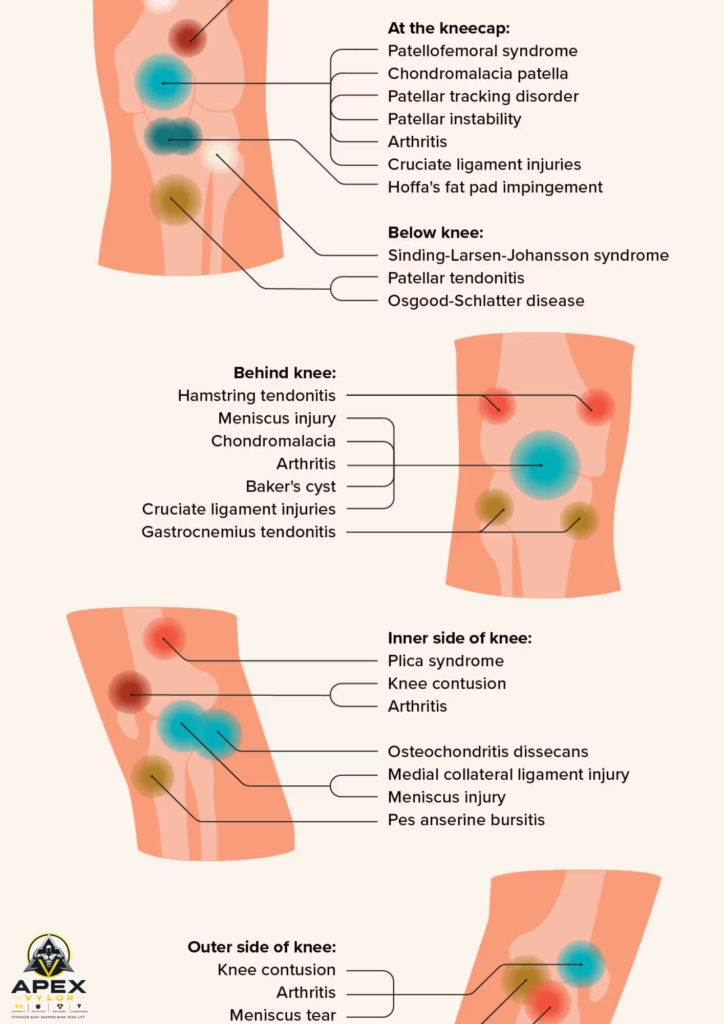
A torn meniscus happens when the cartilage between the thighbone and shinbone tears due to twisting or heavy force. An ACL tear affects one of the major stabilizing ligaments in the knee and often causes significant knee instability. People may also develop patellofemoral pain syndrome, which creates discomfort around the kneecap. Recognizing ACL injury symptoms and meniscus tear symptoms early can help individuals understand why movement feels difficult or uncomfortable.
| Common Injury | Area Affected | Typical Result |
|---|---|---|
| ACL tear | Anterior cruciate ligament | Reduced stability |
| Torn meniscus | Knee cartilage | Pain during movement |
| Ligament injury | Supporting ligaments | Joint weakness |
| Patellar pain | Kneecap region | Front knee discomfort |
| Cartilage damage | Joint cushioning | Reduced mobility |
Why Women Experience Knee Pain More Often
Women often experience knee problems more frequently because of differences in body structure and movement patterns. The angle between the hips and knees can place additional stress on the joint during walking, running, and jumping. These natural differences may increase the likelihood of knee joint pain and certain types of injuries.
Activity levels and physical demands can also influence risk. Many women participate in sports and fitness activities that involve sudden direction changes. This may increase the chances of sports injuries and contribute to ongoing knee discomfort. Understanding these factors can support better awareness and encourage habits that promote long-term knee health.
Risk Factors That Increase Knee Pain
Several factors increase the likelihood of developing knee problems. Excess body weight places greater pressure on the joint with every step. This additional force often leads to weight-related knee stress and may contribute to chronic knee pain over time. Previous injuries can also leave the knee more vulnerable to future strain.
Limited strength and poor muscle flexibility are important risk factors for knee pain. Weak muscles provide less support for the joint which increases stress during movement. Repetitive activities, physically demanding jobs, and long periods of inactivity may also contribute to discomfort and increase the chances of developing knee pain and swelling.
“Healthy knees depend on strength, flexibility, balance, and smart movement habits.”
Everyday Habits That Can Worsen Knee Pain
Many daily habits affect how the knee functions. Sitting for long hours can reduce circulation and contribute to joint stiffness. Poor posture while standing or walking may place uneven pressure on the joint. Over time, these habits can increase discomfort and make movement less efficient.
Wearing unsupportive footwear and ignoring early warning signs can also create problems. Some people continue intense activities despite experiencing knee pain when walking or recurring soreness. This approach often increases stress on the joint and may lead to knee inflammation, worsening discomfort, and greater mobility issues in the future.
| Habit | Potential Impact on Knees |
|---|---|
| Long sitting periods | Increased stiffness |
| Poor posture | Uneven joint pressure |
| Unsupportive shoes | Reduced stability |
| Ignoring pain | Higher injury risk |
| Sudden activity increases | Joint strain |
How to Prevent Knee Pain Naturally
Understanding how to prevent knee pain starts with building healthy daily habits. Maintaining a healthy body weight reduces pressure on the knee joint and helps support smoother movement. Regular activity improves circulation and strengthens the muscles that help stabilize the knees during everyday tasks.
Many experts recommend exercises for knee health that improve balance, strength, and flexibility. Stretching can enhance muscle flexibility while regular movement supports joint function. Consistent activity also plays an important role in maintaining healthy knees and reducing the likelihood of future discomfort.
When Should You Seek Professional Advice?
Occasional soreness may not always be a major concern. However, persistent pain that interferes with daily activities deserves attention. Many people ask, “Why does my knee hurt?” when discomfort continues for weeks or begins affecting normal movement patterns. Paying attention to these signs can help prevent further complications.
Understanding when to see a doctor for knee pain is important. Significant swelling, severe instability, or difficulty bending and straightening the knee should never be ignored. If Rheumatoid arthritis knee pain, ongoing knee pain and swelling, or worsening mobility problems affect everyday life, professional evaluation becomes especially important.
Frequently Asked Questions About Knee Pain
What can cause knee pain in a woman?
Knee pain in women can result from overuse, sports injuries, aging, excess body weight, hormonal changes, poor movement patterns, or conditions that affect the knee joint and surrounding tissues.
What is the best treatment for knee pain?
The best approach depends on the cause of the pain. Rest, maintaining a healthy weight, gentle stretching, improving strength, and avoiding activities that worsen symptoms can help support knee health.
What are the symptoms of a knee injury?
Common symptoms include pain, swelling, stiffness, weakness, instability, difficulty walking, reduced range of motion, and sometimes popping or clicking sounds in the knee.
What is the best home remedy for bone-on-bone knee pain?
Low-impact activities, weight management, gentle stretching, supportive footwear, and applying warm or cold compresses may help reduce discomfort and improve daily movement.
Which oil is best for knee pain relief?
Many people use olive oil, mustard oil, or coconut oil for gentle massage. While these oils may provide temporary comfort, they do not address the underlying cause of knee pain.
Conclusion
Knee pain can affect anyone regardless of age or activity level. Understanding the causes of knee pain, recognizing the symptoms of knee pain, and learning how to prevent knee pain can help protect long-term mobility. Small daily habits often make a significant difference in overall joint function.
Healthy movement starts with awareness. By supporting knee health, improving flexibility, maintaining strength, and addressing discomfort early, you can reduce the risk of future problems and enjoy a more active lifestyle for years to come.
Meta Description
Discover knee pain causes, common symptoms, prevention tips, and effective ways to protect knee health for better mobility and daily comfort.

Welcome to the official author profile of Nail Malik. As a lead writer for Apex Vylor, I focus on delivering high-quality articles and deep dives into today’s most relevant topics. My goal is to provide readers with actionable insights and well-researched content that helps them stay ahead in an ever-changing world.