
Eating the right amount of fiber can completely change your health and energy levels. Many people in the United States still consume less than the recommended amount even though dietary fiber benefits support digestion heart health and long-lasting fullness. Understanding your daily fiber intake helps you make smarter food choices every day.
Thank you for reading this post, don't forget to subscribe!Foods like oats beans fruits vegetables and whole grain foods provide important nutrients that support a stronger body and better wellness. A balanced fiber rich diet may also improve gut health and support natural digestion without making meals boring .This complete guide breaks down everything you need to know about optimizing your daily fiber intake, while sharing practical tips while sharing practical tips simple food ideas and the best natural fiber sources for healthier living.
What Is Fiber and Why Does Your Body Need It?
Fiber is a part of plant foods that your body cannot fully digest. Unlike sugar or starch fiber moves slowly through the digestive tract. This process supports healthy digestion and helps your body remove waste naturally. Many doctors call fiber the unsung hero of nutrition because its effects reach nearly every system in the body.
Understanding what is dietary fiber helps you make smarter meal choices. Fiber exists in fruits vegetables grains beans nuts and seeds. These natural fiber sources nourish the gut while supporting better wellness. People who eat a fiber rich diet often feel lighter more energized and more satisfied after meals.
Fiber also feeds healthy gut bacteria. Think of your gut like a garden. Good bacteria grow stronger when you provide the right nutrients. Eating foods for gut health regularly creates balance inside the digestive system. This simple habit may improve daily comfort and overall wellness.
| Fiber Type | Main Function | Common Food Sources |
|---|---|---|
| Soluble Fiber | Absorbs water and supports cholesterol balance | Oats apples beans |
| Insoluble Fiber | Adds bulk and supports bowel movement | Brown rice vegetables whole grains |
Health Benefits of Eating Enough Fiber Daily
The dietary fiber benefits extend far beyond digestion. Fiber slows digestion slightly which helps the body absorb nutrients more steadily. This process supports balanced energy throughout the day. Many people also notice fewer cravings when they eat more high fiber foods regularly.
One major reason people search fiber foods for heart health is because fiber may support healthy cholesterol levels. Certain fibers bind with waste in the digestive tract and help remove it naturally. Foods like oats beans and barley are considered excellent cholesterol lowering foods because of their soluble fiber content.
A healthy high fiber diet may also support weight control. Fiber-rich meals help you feel full longer so overeating becomes less tempting. Imagine eating a bowl of oatmeal compared to sugary cereal. One keeps you satisfied for hours while the other disappears like smoke in the wind.
Experts also connect fiber with better digestive comfort. Eating fiber rich fruits and vegetables may reduce bloating and irregular bowel habits. Many people notice improvements within weeks after increasing fiber naturally through whole foods.
“Fiber is one of the simplest nutrients for improving daily health naturally.”
How Much Fiber Do You Need Per Day?
Many Americans fall drastically short of the ideal daily fiber intake. Experts suggest adult women consume around 25 grams daily while men often need closer to 30 to 38 grams. Yet the average American eats only about 15 grams each day. That gap matters more than most people realize.
Understanding how much fiber per day your body requires depends on age gender and activity level. Children teenagers and older adults all have slightly different needs. However nearly everyone benefits from eating more foods high in fiber consistently throughout the week.
| Age Group | Recommended Fiber Intake |
|---|---|
| Women 19-50 | 25 grams |
| Men 19-50 | 38 grams |
| Adults Over 50 | 21-30 grams |
| Children | 19-25 grams |
Low fiber intake can lead to sluggish digestion frequent hunger and low energy. Many people think tiredness only comes from poor sleep. However lacking enough whole grain foods and vegetables may also contribute to feeling drained during busy days.
Best Natural Foods High in Fiber
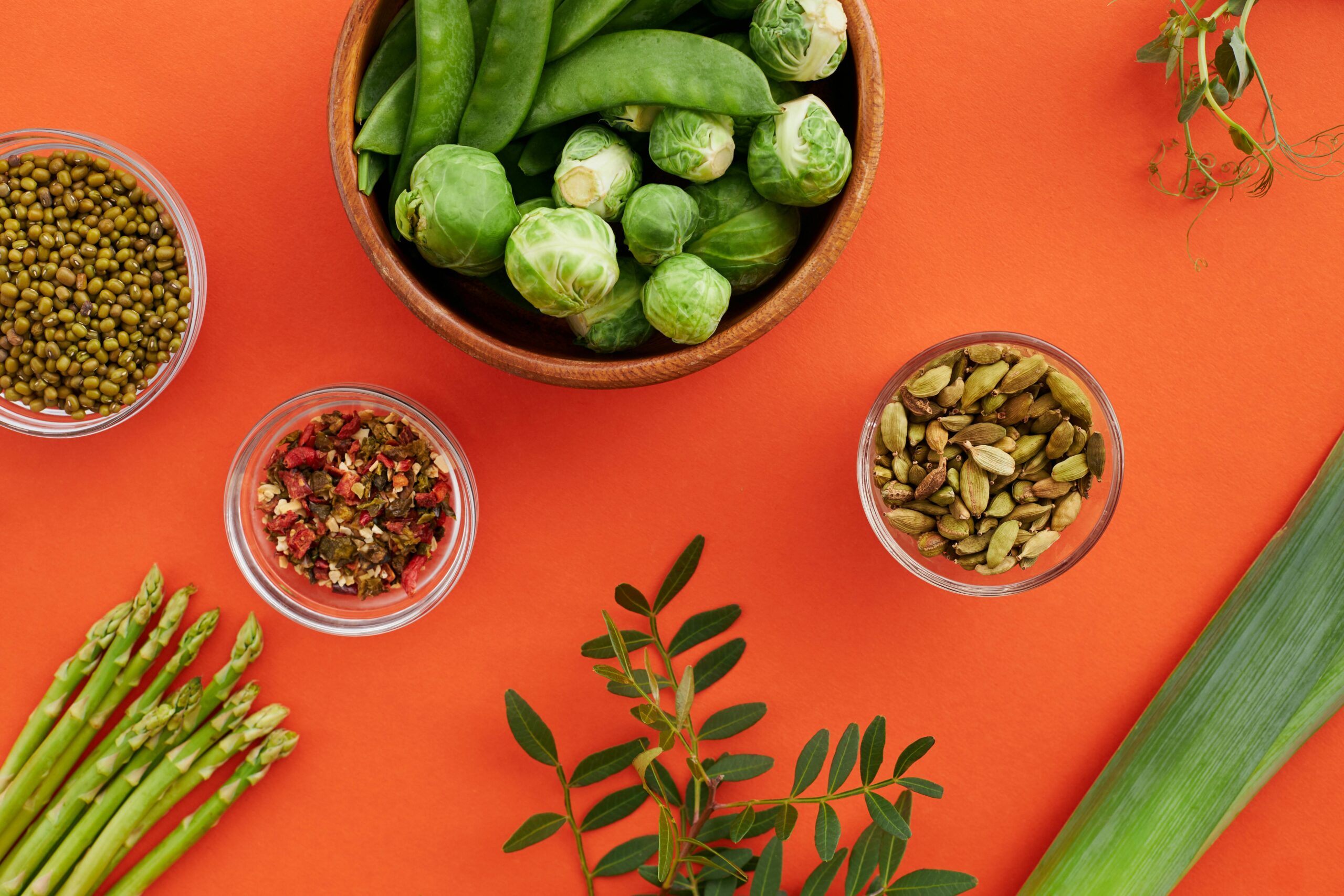
The easiest way to improve health is by eating more foods high in fiber every day. Nature already provides excellent choices. Apples berries pears oats beans lentils broccoli carrots chia seeds and almonds are among the best sources of fiber available in regular grocery stores.
Many people focus only on cereal when thinking about fiber. However fruits high in fiber and vegetables rich in fiber can provide remarkable nutritional value. Raspberries contain impressive fiber levels while sweet potatoes and peas also support strong digestion naturally.
| Food | Fiber Per Serving |
|---|---|
| Oats | 4 grams |
| Apple with skin | 4 grams |
| Lentils | 15 grams |
| Chia seeds | 10 grams |
| Broccoli | 5 grams |
Adding more whole grain foods into meals also helps. Brown rice whole wheat bread quinoa and barley offer steady energy while supporting digestion. These foods digest more slowly than refined grains which helps maintain fullness longer.
People searching for easy ways to eat more fiber often overlook snacks. Popcorn nuts roasted chickpeas and fresh fruit make smart options that support wellness without feeling restrictive.
Soluble vs Insoluble Fiber: What’s the Difference?
The difference between soluble and insoluble fiber matters because each type performs a unique role inside the body. Soluble fiber absorbs water and forms a gel-like texture during digestion. This process may help balance cholesterol and blood sugar levels naturally.
Foods like oats beans apples and citrus fruits belong to the category of soluble fiber foods. These foods move gently through the digestive system and support fullness. Many nutrition experts highlight the benefits of soluble fiber because it may support heart wellness and steady digestion.
In contrast insoluble fiber foods do not dissolve in water. Instead they add bulk to stool and help food move through the intestines more efficiently. Whole wheat vegetables brown rice and nuts provide excellent examples of insoluble fiber sources.
Think of soluble fiber as a sponge while insoluble fiber acts more like a broom. One absorbs water while the other sweeps waste through the digestive tract. Your body benefits most when both types work together consistently.
Easy Ways to Add More Fiber to Your Daily Diet
Reaching your recommended daily fiber intake does not require extreme dieting. Small changes create major improvements over time. Start breakfast with oatmeal topped with berries and chia seeds. Swap white bread for whole grain bread during lunch. These tiny habits quietly strengthen your overall nutrition.
People searching for natural ways to improve digestion often discover that hydration matters too. Fiber works best when your body receives enough water. Without water extra fiber may feel uncomfortable instead of helpful. Drinking enough fluids keeps digestion smoother and more comfortable.
Cooking meals at home also makes it much easier to hit your target daily fiber intake. Add beans into soups salads tacos or pasta dishes. Include vegetables in sandwiches and omelets. Snack on almonds or fruit instead of chips and candy.
| Simple Fiber Swap | Better Choice |
|---|---|
| White bread | Whole wheat bread |
| Sugary cereal | Oatmeal |
| Potato chips | Roasted chickpeas |
| White rice | Brown rice |
Common Signs You Need More Fiber
Your body often sends warning signs when fiber intake stays too low. Constipation remains one of the most common issues. Slow digestion can leave you feeling bloated uncomfortable and sluggish throughout the day.
Another clue involves hunger. Meals lacking high fiber foods digest quickly which may cause cravings soon afterward. Fiber slows digestion naturally so balanced meals feel more satisfying. Many people notice fewer snack cravings after adding more beans fruits and vegetables.
Low energy may also connect with poor nutrition habits. A diet filled with processed foods often lacks important nutrients and fiber. Replacing processed snacks with fiber rich diet choices may support steadier energy and better focus.
Digestive discomfort should never become normal. Following simple digestive health tips like eating more vegetables drinking water and choosing whole grains may improve comfort naturally over time.
Mistakes People Make When Increasing Fiber Intake
You already have the exact match here! Let’s add one to the end of this section instead. Your digestive system needs time to adapt. Suddenly eating large amounts of beans bran cereal and vegetables may cause bloating or gas temporarily.
Another problem occurs when people rely only on supplements instead of whole foods. While supplements exist the best approach still involves natural fiber sources from real meals. Whole foods contain vitamins minerals antioxidants and plant compounds that supplements often lack.
Some shoppers also fall for misleading labels. Certain processed foods advertise added fiber though they still contain excess sugar and unhealthy ingredients. Reading nutrition labels carefully helps you identify truly healthy choices.
People also forget water intake. Fiber absorbs water during digestion. Without enough hydration even the healthiest meals may feel uncomfortable.”Drinking water consistently supports smoother digestion, helping your body process an increased daily fiber intake comfortably.
One-Day High-Fiber Meal Plan for Beginners
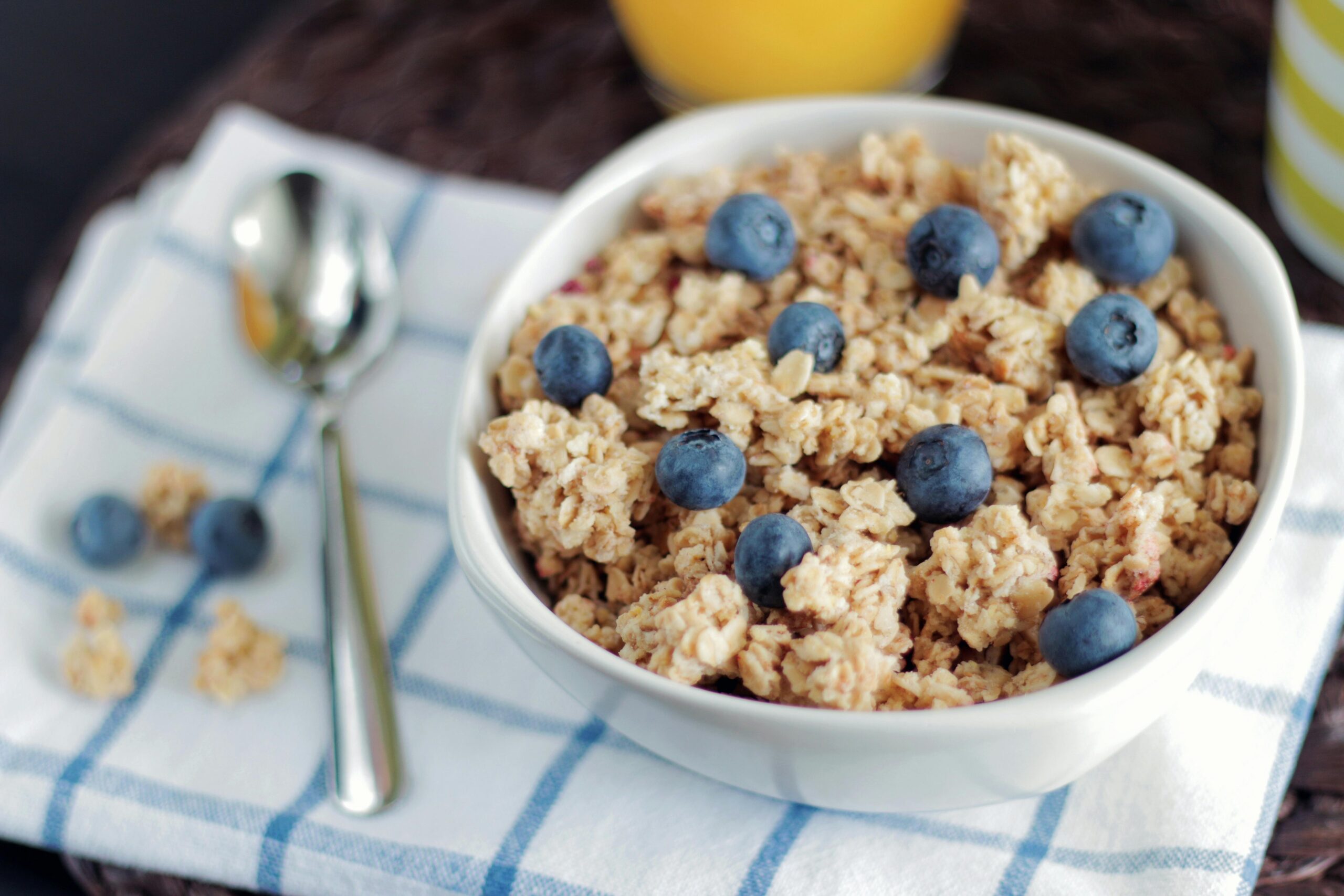
Building a simple meal plan makes healthy eating easier. A high-fiber breakfast could include oatmeal with blueberries walnuts and chia seeds. This meal provides protein healthy fats and long-lasting fiber for morning energy.
Lunch might include grilled chicken with quinoa spinach avocado and black beans. Dinner could feature salmon brown rice roasted vegetables and lentil soup. Snacks like pears almonds or air-popped popcorn support fiber intake between meals.
| Meal | Fiber Rich Foods |
|---|---|
| Breakfast | Oats blueberries chia seeds |
| Lunch | Quinoa black beans spinach |
| Dinner | Brown rice vegetables lentils |
| Snacks | Pears almonds popcorn |
This balanced approach supports daily fiber intake without feeliBuilding a simple meal plan makes hitting your daily fiber intake easy and stress-free. It also helps beginners learn easy ways to eat more fiber naturally through enjoyable meals.
Final Thoughts on Building a Healthy High-Fiber Diet
Creating a healthier lifestyle starts with small practical choices. Adding more foods high in fiber can improve digestion support fullness and strengthen daily wellness. Fiber may seem simple though its impact reaches far beyond the stomach.
A long-term healthy high fiber diet works best when built around consistency rather than perfection. Focus on colorful fruits, vegetables, beans, nuts, and seeds each week. Tracking your daily fiber intake is a simple, highly effective step toward a more energized and vibrant life. Over time these habits become second nature and your body will likely thank you for it.
FAQs :
How can I hit 25g of fiber a day?
You can reach 25g of fiber by eating oats, beans, fruits, vegetables, and whole grain foods throughout the day. A bowl of oatmeal, an apple, lentils, and brown rice can easily boost your daily fiber intake naturally.
What does 30 grams of fiber a day look like?
Thirty grams of fiber may include oatmeal for breakfast, beans and salad for lunch, vegetables with brown rice for dinner, and fruit or nuts as snacks. This type of fiber rich diet supports healthy digestion and longer-lasting fullness.
What food is the highest in fiber?
Chia seeds, lentils, black beans, raspberries, and bran cereals are among the top foods high in fiber. These natural fiber sources provide excellent nutrition while helping you increase fiber naturally.
Will fiber help lower A1c?
Eating more soluble fiber foods may help support balanced blood sugar levels by slowing digestion and sugar absorption. Foods like oats, beans, and apples are often included in a healthy high fiber diet for better wellness.
What do Japanese take for diabetes?
Many Japanese people focus on balanced meals with fish, vegetables, soy foods, green tea, and smaller portions to support healthy blood sugar levels. Traditional Japanese eating habits also include many foods for gut health and low-processed meals.
Meta Description :
Learn how much fiber you need daily with the best high fiber foods tips and natural ways to support better health.

Welcome to the official author profile of Nail Malik. As a lead writer for Apex Vylor, I focus on delivering high-quality articles and deep dives into today’s most relevant topics. My goal is to provide readers with actionable insights and well-researched content that helps them stay ahead in an ever-changing world.