
If you want better energy and smoother digestion then high-fiber foods should be your daily priority. Many people in the USA struggle with low intake of dietary fiber which leads to poor digestive health, slow bowel movements, and weak gut balance. When you eat more fiber-rich foods, your body naturally improves healthy digestion and supports long-term wellness.
Thank you for reading this post, don't forget to subscribe!Fiber is found in fruits, vegetables, whole grains, and legumes, and it works like a natural cleanser for your system. In this guide, you will learn the best sources, real health benefits, and simple ways to increase your daily intake without stress or complicated diet rules.
Studies continue to show the amazing benefits of fiber for adults and children. A healthy amount of fiber supports digestive health, helps maintain a balanced stomach, and improves long-term wellness. More importantly, a balanced high-fiber diet may reduce overeating because fiber keeps you full longer. That is why nutrition experts often recommend foods high in fiber as part of a smart healthy diet plan.
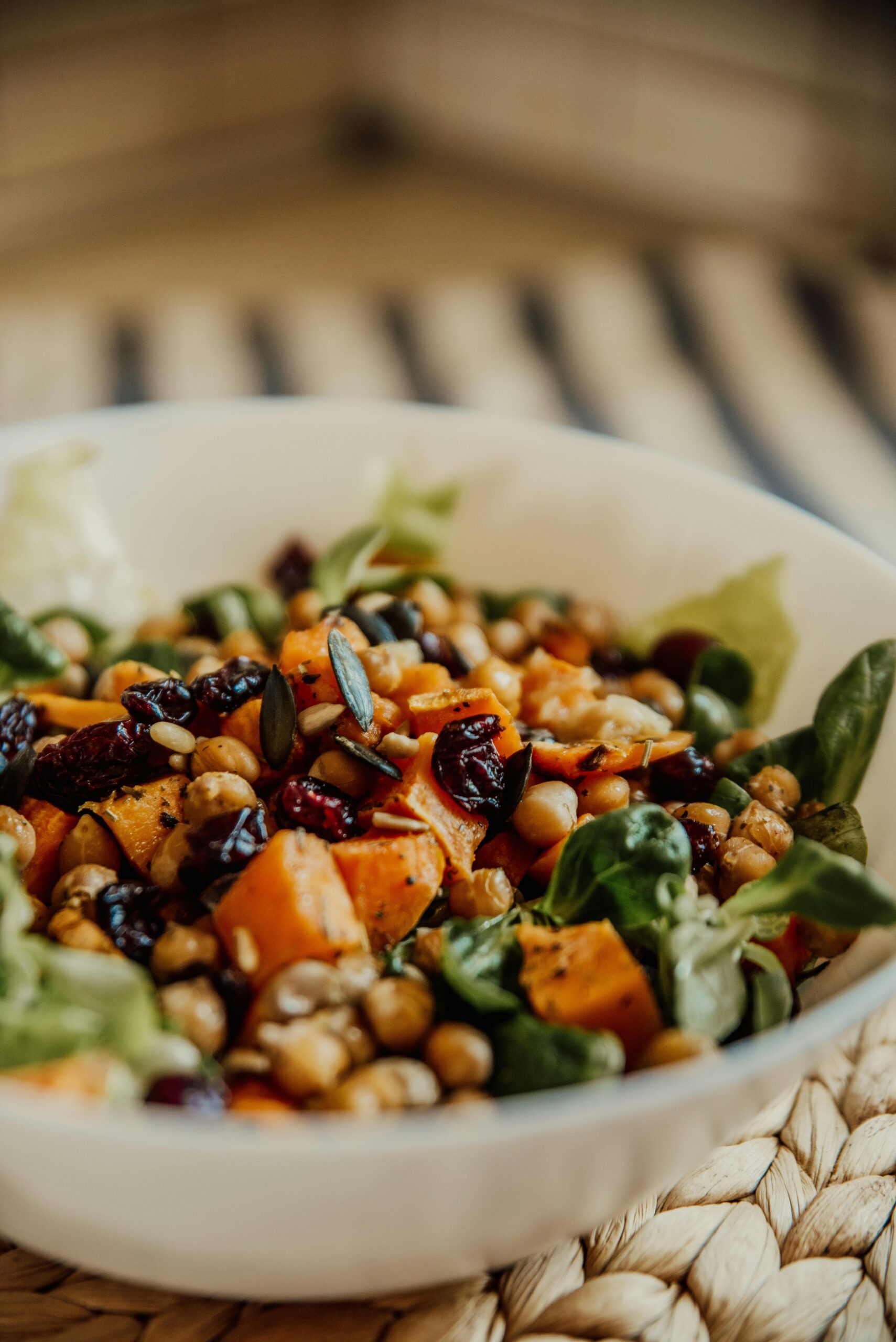
What Are High-Fiber Foods and Why Are They Important?
Many people ask what is fiber and why doctors mention it so often. Fiber is a plant-based nutrient your body cannot fully digest. Instead of breaking down quickly, it moves through the stomach and intestines slowly. This process supports healthy digestion, better bowel movements, and stronger gut health. Foods like beans, oats, berries, carrots, and seeds are excellent foods high in roughage that naturally nourish the digestive system.
Your body also uses fiber in surprising ways. Fiber may help remove waste and unwanted cholesterol from the body. It can support clearer skin and better energy levels too. In many cases, fiber for digestion works like a gentle broom cleaning the digestive tract. That is why many nutrition experts connect healthy eating for digestive health with long-term wellness and stronger immunity.
| Fiber Function | How It Helps the Body |
|---|---|
| Digestion | Supports smoother bowel movements |
| Fullness | Helps control hunger |
| Heart Support | May reduce bad cholesterol |
| Gut Balance | Supports healthy gut bacteria |
| Blood Sugar | Slows sugar absorption |
Types of Fiber Explained: Soluble vs Insoluble Fiber
Understanding soluble vs insoluble fiber helps you choose smarter meals. Soluble fiber mixes with water and forms a soft gel inside the stomach. This process may help with blood sugar control and support foods that lower cholesterol naturally. Oats, apples, beans, and citrus fruits contain high amounts of this fiber type. Many doctors recommend these foods as part of a heart-healthy diet.
On the other hand, insoluble fiber does not dissolve in water. Instead, it adds bulk to stool and helps waste move through the digestive tract more easily. Whole wheat bread, carrots, cauliflower, and nuts are excellent sources. The benefits of insoluble fiber include improved regularity and natural fiber for constipation relief. Together, both fibers support a stronger body and better nutrition and wellness.
| Type of Fiber | Best Food Sources | Main Benefit |
|---|---|---|
| Soluble fiber | Oats, apples, beans | Cholesterol and sugar balance |
| Insoluble fiber | Whole grains, vegetables | Better bowel movements |
How Much Fiber Do You Need Per Day?
Many Americans still wonder how much fiber do you need each day. Most adult women need around 25 grams daily while men often need about 30 to 38 grams. These numbers may vary by age and activity level. Sadly, many people eat less than half the ideal amount. Low fiber intake often causes bloating, sluggish digestion, and unhealthy cravings. These are common signs of low fiber intake that people ignore too often.
Meeting your daily recommended fiber intake becomes easier when you eat whole foods regularly. Start with oats at breakfast, fruit during snack time, and vegetables with dinner. Small changes create powerful results over time. Following proper fiber intake recommendations can improve energy and reduce digestive discomfort naturally.
| Age Group | Women | Men |
|---|---|---|
| 19–50 | 25g | 38g |
| 51+ | 21g | 30g |
Top High-Fiber Foods to Add to Your Daily Diet
Some of the best high-fiber foods are already sitting in grocery stores near you. Lentils, oats, raspberries, broccoli, chia seeds, pears, and quinoa contain excellent amounts of fiber. These fiber-rich fruits and vegetables work beautifully inside a balanced eating routine. Whole foods often provide vitamins and minerals alongside fiber which makes them more powerful than processed snacks.
Many experts suggest adding whole grains and legumes into daily meals because they improve fullness and energy levels. A bowl of oatmeal in the morning or black beans at lunch can support fiber and weight loss naturally. These foods are also known as some of the best foods for digestion because they nourish the stomach without harsh ingredients.
| Food | Fiber Per Serving |
|---|---|
| Lentils | 15g |
| Chia Seeds | 10g |
| Oats | 8g |
| Pear | 6g |
| Broccoli | 5g |
Health Benefits of Eating More High-Fiber Foods
The body reacts positively when you eat more high-fiber foods consistently. Fiber slows digestion slightly which helps stabilize hunger and improve fullness. This natural effect supports fiber for weight management and reduces unnecessary snacking. Many people notice better digestion within days after increasing fiber gradually.
Research also links fiber with stronger heart health and metabolic wellness. The benefits of soluble fiber may help reduce LDL cholesterol while improving circulation. At the same time, fiber and diabetes prevention remain closely connected because fiber helps slow sugar absorption. These effects make fiber one of the most important nutrients for daily wellness.
“A healthy gut often begins with simple high-fiber meals.”
Easy Ways to Increase Fiber Intake Naturally
Learning how to increase fiber intake naturally does not require expensive products. Simple changes often work best. Replace white bread with whole grain bread. Snack on almonds instead of chips. Add berries into yogurt or oatmeal. These small habits slowly improve your daily fiber intake without feeling overwhelming.
Many people also enjoy trying fiber-rich breakfast ideas because breakfast sets the tone for the day. Oatmeal with banana slices or chia pudding with berries offers long-lasting energy. You can also prepare healthy snacks high in fiber such as roasted chickpeas or apple slices with peanut butter. These choices support healthy eating habits and better digestion naturally.
Common Mistakes People Make When Eating More Fiber
One common mistake is increasing fiber too quickly. The stomach needs time to adapt to major changes. If you suddenly eat large amounts of beans or bran cereal, you may experience bloating or gas. Drinking more water helps fiber move smoothly through the digestive tract and improves healthy digestion.
Another mistake involves choosing supplements over real food. While fiber supplements may help in some cases, whole foods provide additional nutrients and antioxidants. Many processed snacks claim to contain fiber. However, they still contain excess sugar and unhealthy oils. Choosing fresh vegetables, fruits, and whole grain fiber foods usually creates better long-term results.

High-Fiber Foods for Different Diets and Lifestyles
A flexible fiber plan works for almost every lifestyle. Vegetarians often enjoy lentils, beans, chia seeds, and oats. Busy professionals may prefer quick meals like overnight oats or smoothies packed with berries. Families can prepare tacos filled with black beans and vegetables for affordable fiber-rich dinners.
People trying to lose weight often choose weight loss foods that contain fiber because they increase fullness naturally. Likewise, athletes may rely on bananas, brown rice, and oats for lasting energy. The beauty of plant-based foods is their versatility. They fit into nearly every eating pattern while supporting better wellness.
| Lifestyle | Recommended Fiber Foods |
|---|---|
| Busy Workers | Oats, apples, trail mix |
| Vegetarians | Lentils, quinoa, beans |
| Families | Brown rice, broccoli, pears |
| Weight Loss | Chia seeds, berries, oatmeal |
Fiber Supplements vs Natural Fiber Food
The debate around fiber supplements vs natural foods continues to grow. Supplements may help people who struggle to meet daily needs. Psyllium husk powders and chewable fiber tablets are common examples. However, these products usually lack the vitamins found in natural foods.
Natural meals remain the smarter long-term option for most people. Whole foods support healthy gut bacteria, hydration, and balanced nutrition together. For example, eating an apple provides water, antioxidants, and fiber in one package. That combination works far better than relying completely on powders or capsules every day.
Final Tips for Building a Healthy High-Fiber Diet
Building a strong high-fiber diet becomes easier when you focus on consistency instead of perfection. Add one fiber-rich food into each meal. Drink more water. Read nutrition labels carefully. Over time, these habits improve digestion, energy, and fullness without extreme dieting.
The secret to lasting wellness often starts with simple food choices. Eating more beans, oats, vegetables, nuts, and fruits supports foods that improve gut health and stronger overall wellness. When you slowly learn how to add more fiber to your diet, your body often rewards you with better energy, smoother digestion, and healthier daily routines.
Faqs :
What foods are extremely high in fiber?
Lentils, chia seeds, black beans, oats, raspberries, pears, and broccoli are some of the most high-fiber foods. These foods support digestive health and help you stay full longer.
How can I hit 25g of fiber a day?
Start your day with oatmeal, eat fruits and vegetables with meals, and add beans or nuts to snacks. Simple swaps with fiber-rich foods can easily help you reach your daily fiber intake goal.
Will fiber help lower A1C?
Yes, especially soluble fiber. It slows sugar absorption, improves blood sugar control, and may help lower A1C levels over time when combined with healthy eating habits.
What foods are high in fiber for constipation?
Prunes, pears, oats, chia seeds, beans, and whole grains are excellent foods for constipation. They improve bowel movements and support smoother digestion naturally.
What foods will help you poop when constipated?
Foods like prunes, kiwi, apples with skin, flaxseeds, and warm oatmeal can help relieve constipation quickly. These foods high in roughage support faster and healthier digestion.
Meta Description :
Discover high-fiber foods, their health benefits, and easy ways to add more fiber to your daily diet naturally.

Welcome to the official author profile of Nail Malik. As a lead writer for Apex Vylor, I focus on delivering high-quality articles and deep dives into today’s most relevant topics. My goal is to provide readers with actionable insights and well-researched content that helps them stay ahead in an ever-changing world.